
Building serious muscle mass requires more than just hitting the gym hard — your bulking diet is the foundation. A well-structured bulking phase focuses on a controlled calorie surplus, smart macronutrient balance, and nutrient-dense foods to maximize gains while minimizing excess fat. Whether you’re a beginner or experienced lifter, these 10 best tips for bulking diet will help you pack on size effectively.
Many in the UK bodybuilding scene combine solid nutrition with advanced support. While natural bulking works for most, some turn to performance enhancers. If exploring options, search for reliable sources to buy steroids UK or check steroids for sale UK from trusted vendors — always prioritize safety, legality, and quality.
1. Establish a Smart Calorie Surplus
The cornerstone of any bulking diet is eating more calories than you burn. Aim for a moderate surplus of 250–500 calories above your maintenance level (TDEE). This promotes steady muscle growth (0.5–1 lb per week) without excessive fat gain.
Use an online TDEE calculator, then add the surplus. Track your weight weekly and adjust — if gains stall, increase by another 200–300 calories. A 15–20% surplus is ideal for most, supporting recovery and progressive overload in training.
2. Prioritize High Protein Intake
Protein provides the building blocks for muscle repair and growth. Target 1.6–2.2 grams per kg of body weight (or roughly 0.8–1 gram per pound). For a 180 lb (82 kg) person, that’s 145–180 grams daily.
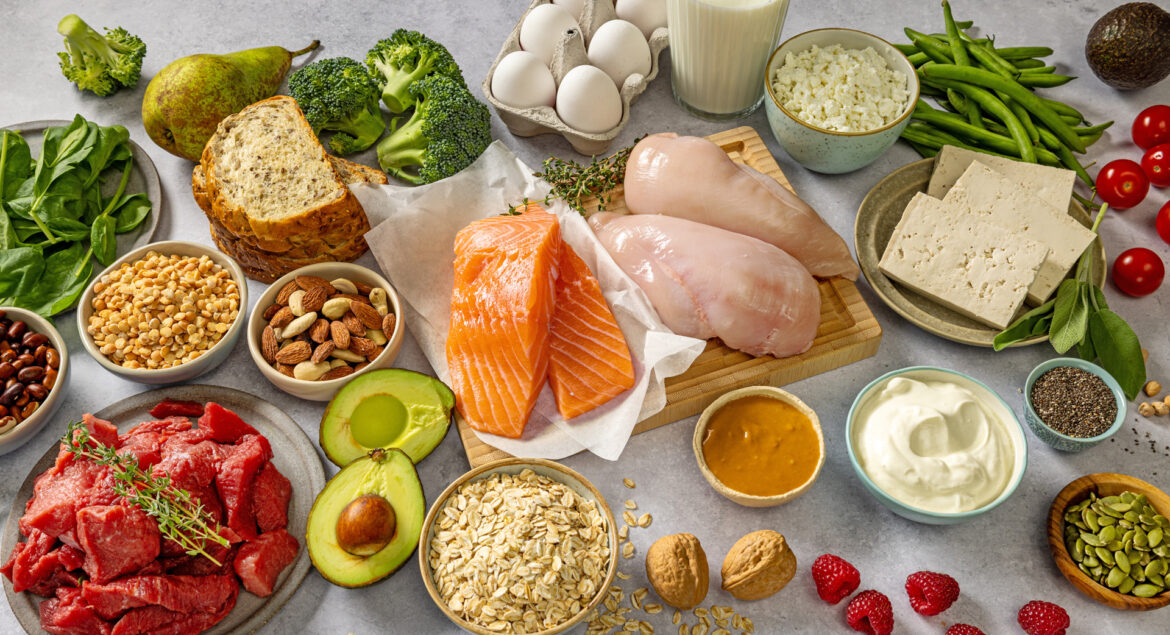
Spread it across 4–6 meals for optimal absorption. Top sources include chicken breast, lean beef, eggs, fish, Greek yogurt, cottage cheese, whey protein, and plant options like lentils or tofu. Every meal should include protein to keep muscle protein synthesis elevated.
3. Load Up on Complex Carbohydrates
Carbs fuel intense workouts and replenish glycogen stores, crucial during bulking. Allocate 40–60% of calories to carbs for energy and recovery.
Focus on complex sources: oats, brown rice, quinoa, sweet potatoes, whole-grain pasta, and fruits. These provide sustained energy and fiber. Post-workout carbs (with protein) spike insulin to shuttle nutrients into muscles faster.
4. Don’t Fear Healthy Fats
Fats support hormone production (including testosterone) and joint health. Keep them at 15–30% of calories — not too low, not excessive.
Include avocados, nuts, seeds, olive oil, fatty fish (salmon), and nut butters. They add calorie density without spiking blood sugar, making it easier to hit your surplus.
5. Eat Frequently with Bigger Meals
To hit high calories comfortably, eat 5–6 times per day: breakfast, mid-morning snack, lunch, pre/post-workout shakes/meals, dinner, and evening snack.
Frequent feeding prevents bloating and maintains steady nutrient flow. If appetite is low, incorporate liquid calories like protein shakes with oats, banana, peanut butter, and milk for easy 800+ calorie boosts.
6. Choose Nutrient-Dense Bulking Foods
Opt for whole foods over junk for a clean bulk. Best picks:
- Proteins: Chicken, turkey, eggs, salmon, lean beef, Greek yogurt
- Carbs: Oats, rice, potatoes, quinoa, whole grains, fruits
- Fats: Avocados, nuts, olive oil, seeds
- Veggies: Broccoli, spinach, peppers (for micronutrients and fiber)
Avoid excessive processed foods — they lead to poor recovery and unwanted fat.
7. Time Your Nutrients Around Workouts
Pre-workout: Carbs + protein 1–2 hours before (e.g., oats with whey). Post-workout: Fast-digesting carbs + protein within 30–60 minutes (shake or meal) to kickstart recovery.
This anabolic window maximizes glycogen replenishment and muscle repair.
8. Stay Hydrated and Track Progress
Drink at least 3–4 liters of water daily — more if training hard. Dehydration hampers performance and recovery.
Weigh yourself weekly (same time/conditions), take measurements, and progress photos. Adjust calories/macros every 2–4 weeks based on results. Use apps to log intake.
9. Incorporate Supplements Wisely
Supplements enhance a solid diet:
- Creatine: 5g daily for strength and size gains
- Whey protein: Convenient for hitting protein targets
- Multivitamin: Covers micronutrient gaps
- Optional: Mass gainers for hardgainers
Focus on food first — supplements fill gaps.
10. Be Patient and Consistent
Bulking is a marathon. Expect 0.25–0.5 kg of muscle per month naturally (more with optimized training). Consistency in diet, sleep (7–9 hours), and progressive training trumps shortcuts.
Monitor body composition — if fat gain exceeds muscle, dial back the surplus slightly for a leaner bulk.
Follow these 10 best tips for bulking diet, and you’ll build quality mass. Pair intense lifting with this nutrition strategy for impressive results.