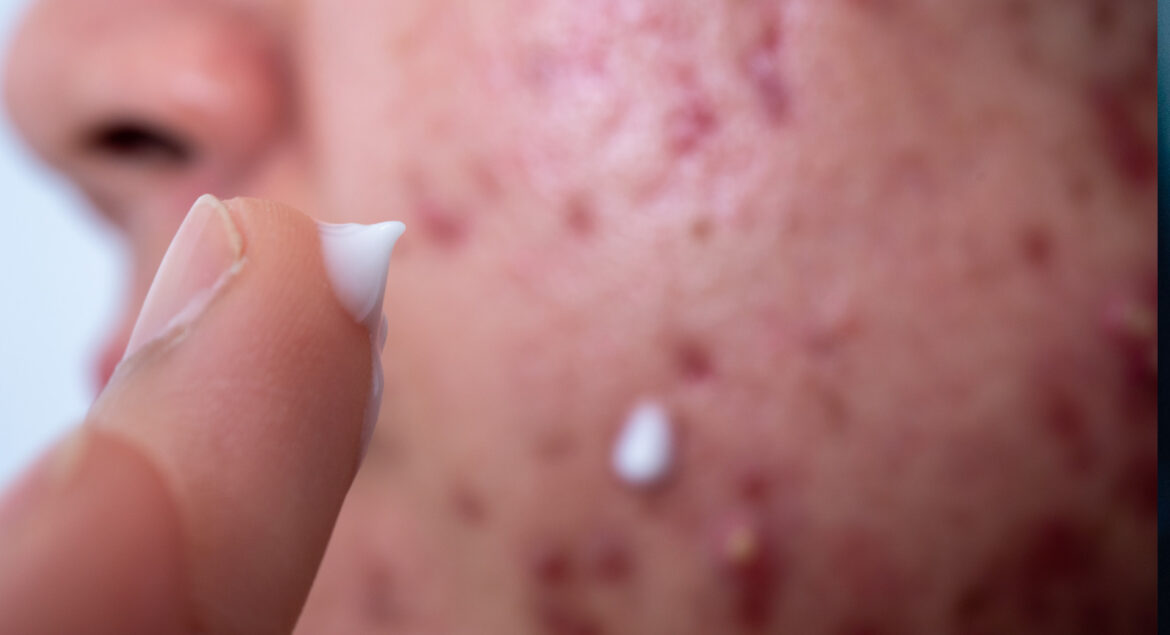
Acne affects millions, from teenagers to adults, often impacting confidence and daily life. Whether dealing with hormonal breakouts, stubborn pimples, or more severe forms, effective management starts with proven strategies. In this guide, discover the 15 best tips for acne backed by dermatologist recommendations and recent insights for clearer, healthier skin.
While many seek quick fixes, consistency and gentle care yield the best results. Note that certain factors like steroids side effects can worsen acne—particularly anabolic steroids, which are common in bodybuilding circles. If you’re exploring performance-enhancing options such as buy steroids UK or steroids for sale UK, be aware that steroids side effects frequently include severe, persistent acne due to increased sebum production and hormonal imbalances. Up to 50% of anabolic steroid users experience this issue, sometimes leading to bodybuilding acne or even acne fulminans.
Here are the top 15 tips to combat acne effectively:
- Wash your face gently twice daily Use a mild, non-abrasive cleanser with fingertips—no harsh scrubbing or washcloths, which irritate skin and worsen breakouts. Cleanse after sweating too. Dermatologists emphasize this as a foundational step to remove excess oil, dirt, and bacteria without stripping the skin.
- Incorporate benzoyl peroxide This over-the-counter powerhouse kills acne-causing bacteria and reduces inflammation. Start with lower strengths (2.5–5%) to avoid dryness. It’s highly recommended for mild to moderate acne and pairs well with other treatments.
- Use salicylic acid regularly This beta-hydroxy acid exfoliates inside pores, unclogging them and preventing blackheads/whiteheads. Look for cleansers or spot treatments with 0.5–2% concentration for daily use.
- Apply topical retinoids Retinoids (like adapalene or tretinoin) promote cell turnover, unclog pores, and reduce inflammation. Start slow (every other night) to build tolerance— they’re gold-standard for comedonal and inflammatory acne.
- Moisturize with non-comedogenic products Even oily skin needs hydration. Choose lightweight, oil-free moisturizers with ingredients like hyaluronic acid or ceramides to maintain the skin barrier and prevent over-drying from treatments.
- Always wear broad-spectrum SPF Sunscreen is non-negotiable—UV exposure worsens post-acne marks and inflammation. Opt for non-comedogenic, mineral-based formulas (SPF 30+) to avoid clogging pores.
- Avoid picking or popping pimples Touching or squeezing spreads bacteria, causes scarring, and prolongs healing. Hands off is one of the simplest yet most powerful tips.
- Eat a balanced, low-glycemic diet Reduce sugars and refined carbs, which can spike insulin and trigger breakouts. Focus on leafy greens, fruits, veggies, and anti-inflammatory foods for noticeable improvements.
- Change pillowcases and towels frequently Bacteria and oil buildup on linens transfer to your face nightly. Swap pillowcases every few days and use dedicated, clean face towels.
- Manage stress levels Stress hormones exacerbate acne. Incorporate exercise, meditation, or hobbies to keep cortisol in check.
- Stay consistent—give treatments time Acne products need 4–8 weeks (or longer) to show results. Switching too soon irritates skin and delays progress.
- Consider professional help for stubborn cases If over-the-counter options fail, see a dermatologist for prescriptions like oral antibiotics, spironolactone (for hormonal acne), or advanced therapies like chemical peels or light treatments.
- Use gentle exfoliation wisely Limit chemical exfoliants to 2–3 times weekly. Over-exfoliating damages the barrier and worsens acne.
- Hydrate internally and externally Drink plenty of water and use hydrating serums. Dehydrated skin overproduces oil, leading to more breakouts.
- Be cautious with supplements and substances Some, including anabolic steroids, trigger or aggravate acne as a major steroids side effects. If using or considering buy steroids UK sources or steroids for sale UK, prioritize skin monitoring—many experience severe, cystic acne that requires stopping use and targeted treatment like isotretinoin for resolution.
Bonus insight: For steroid-induced acne (common with anabolic use), standard treatments like benzoyl peroxide, retinoids, and oral antibiotics help, but discontinuation is often key. Severe cases may need dermatologist intervention.
Clear skin takes patience, but following these 15 best tips for acne consistently leads to significant improvement. Track your progress, adjust as needed, and consult a professional for personalized advice—especially if steroids side effects are a factor.