
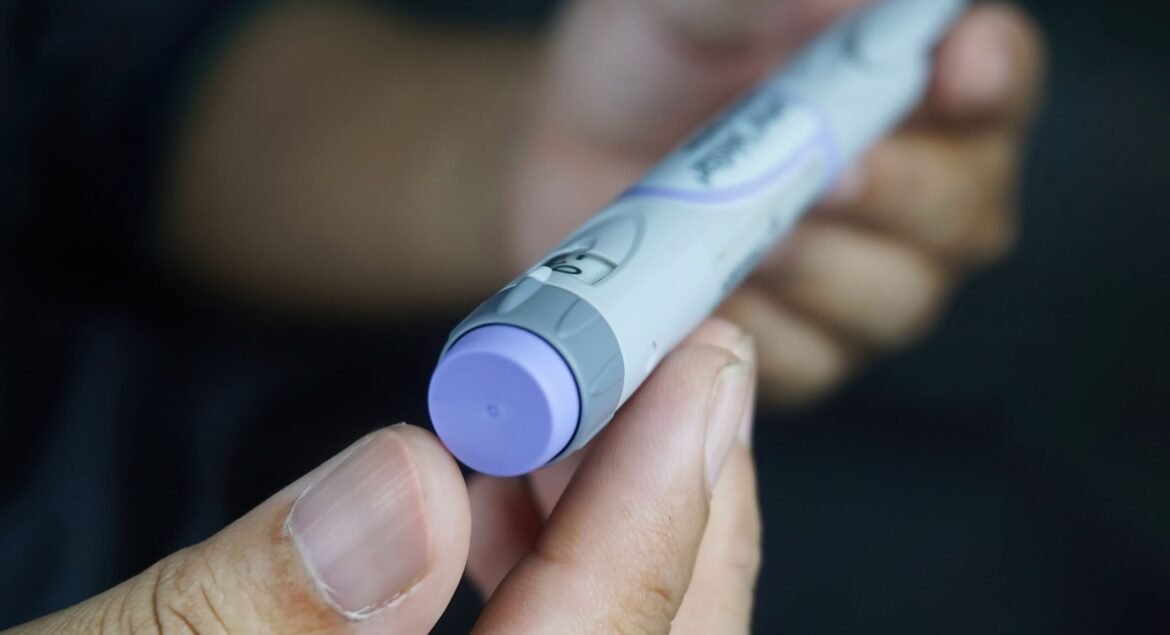
GLP-1 receptor agonists such as semaglutide and tirzepatide have transformed obesity treatment, delivering impressive reductions in body weight, improved glycaemic control, and cardiovascular benefits. Yet many patients and clinicians are discovering a critical limitation: the difficulty of maintaining results once treatment ends or doses are reduced. Significant muscle loss during rapid weight reduction can slow metabolism, reduce strength, and increase the risk of weight regain. Emerging evidence points to one intervention that addresses this challenge head-on: testosterone replacement therapy. When properly prescribed and monitored, testosterone replacement therapy stands out as the #1 most effective tool for achieving sustainable body composition and long-term weight management—even alongside GLP-1 medications.
The Limitations of GLP-1 Medications Alone for Lasting Results
GLP-1 therapies work primarily by suppressing appetite, slowing gastric emptying, and improving insulin sensitivity. Clinical trials consistently show average weight loss of 10–20 % of body weight over 6–12 months. However, this loss is not composed solely of fat. Studies indicate that 15–40 % of total weight lost on GLP-1 agents can come from lean body mass, including skeletal muscle. This phenomenon mirrors the muscle wasting seen in any significant caloric deficit but is amplified by the speed of fat reduction and reduced protein intake that often accompanies appetite suppression.
Muscle tissue is metabolically active; losing it lowers resting energy expenditure and makes long-term weight stability harder. Patients frequently report fatigue, reduced exercise tolerance, and eventual rebound weight gain when GLP-1 treatment is discontinued. Recent 2025–2026 analyses, including data presented at major endocrinology meetings, confirm that without targeted countermeasures, the “quality” of weight loss suffers. This is where hormonal optimisation becomes essential.
The Critical Role of Testosterone in Body Composition and Metabolism
Testosterone is more than a sex hormone—it is a powerful regulator of muscle protein synthesis, fat distribution, insulin sensitivity, and energy levels. Low testosterone (hypogonadism) is common in men with obesity, creating a vicious cycle: excess adipose tissue increases aromatase activity, converting testosterone to oestrogen and further suppressing natural production. The result is increased visceral fat, reduced lean mass, lower metabolic rate, and diminished motivation for physical activity.
Restoring testosterone to physiological levels reverses many of these changes. Long-term observational registries and controlled studies demonstrate that testosterone replacement therapy in hypogonadal obese men produces progressive, sustained reductions in body weight, waist circumference, and BMI—without the recidivism typical of diet-only interventions. Patients experience increased lean muscle mass, decreased fat mass, and improved metabolic markers such as fasting glucose and lipid profiles.
Why Testosterone Replacement Therapy Is the #1 Tool for Sustainable Weight Management
What sets testosterone replacement therapy apart is its direct impact on the very factors that undermine long-term success with GLP-1 medications alone. By promoting muscle preservation and growth, TRT counteracts the lean-mass erosion that can occur during rapid weight loss. This preservation maintains metabolic rate and physical function, making it easier to sustain lifestyle changes after GLP-1 doses are tapered.
Multiple lines of evidence support this:
- Registry data spanning five years show obese hypogonadal men on TRT lose 10–15 kg or more on average, with continued improvement rather than plateau or regain.
- Randomised trials confirm that adding testosterone during caloric restriction preferentially reduces fat while sparing or increasing lean mass.
- Real-world metabolic improvements include better insulin sensitivity and reduced inflammation—key drivers of obesity-related comorbidities.
These benefits persist long after initial weight reduction, positioning testosterone replacement therapy as the cornerstone for lifelong weight management.
Synergistic Benefits When Combining Testosterone Replacement Therapy with GLP-1 Medications
Recent clinical observations highlight an elegant synergy. GLP-1 agents drive substantial fat loss while TRT protects and builds muscle, resulting in superior body-composition outcomes. Some studies report that men on combined therapy achieve greater overall fat reduction with minimal or no net loss of lean mass. GLP-1-induced weight loss itself can naturally elevate endogenous testosterone in obese men (one 2025 analysis showed normalisation rates rising from 53 % to 77 % after ~10 % body-weight reduction). For those with persistent hypogonadism, adding TRT amplifies energy, exercise capacity, and adherence.
This combination addresses the core long-term challenge: preventing sarcopenic obesity and metabolic slowdown. Patients often describe higher energy, better mood, and easier maintenance of resistance training—factors that translate into sustained results even if GLP-1 therapy is eventually reduced or stopped.
Accessing Testosterone Replacement Therapy Safely in the UK
In the United Kingdom, testosterone replacement therapy is a tightly regulated, prescription-only treatment. It is legal and appropriate only when confirmed hypogonadism is documented by symptoms plus two morning blood tests showing low total or free testosterone levels, after addressing reversible causes such as obesity and comorbidities. Patients cannot simply buy testosterone uk over the counter or from unregulated sources; doing so is both illegal and unsafe. Legitimate care pathways require assessment by a GMC-registered clinician, comprehensive bloodwork, and ongoing monitoring of haematocrit, PSA, and other parameters.
For men exploring options, the safest route is through specialist clinics or NHS endocrinology pathways that follow British Society for Sexual Medicine and Endocrine Society guidelines. Reputable providers ensure pharmaceutical-grade formulations and personalised dosing. Those seeking to buy testosterone uk legally must do so only via a valid prescription from an authorised pharmacy—never from unverified online vendors. Responsible clinics emphasise shared decision-making, lifestyle integration, and regular follow-up to maximise benefits while minimising risks.
Complementary Lifestyle Strategies That Enhance Outcomes
Testosterone replacement therapy is most effective when integrated with evidence-based habits:
- Resistance training 3–4 times weekly to stimulate muscle protein synthesis.
- High-quality protein intake (1.6–2.2 g/kg body weight) to support lean-mass retention during GLP-1 therapy.
- Adequate sleep and stress management, both critical for hormonal balance.
- Regular body-composition monitoring (DEXA or bioimpedance) rather than scale weight alone.
Together, these elements create a comprehensive, sustainable programme.
Conclusion: Making Long-Term Weight Management Achievable
GLP-1 medications provide a powerful starting point for weight reduction, but they are not a standalone solution for lifelong success. The #1 most effective tool for maintaining results—especially while using or transitioning off these therapies—is testosterone replacement therapy. By preserving muscle, boosting metabolism, and improving overall vitality, TRT helps break the cycle of regain and delivers the body-composition changes patients truly want.
If you are struggling with weight management despite GLP-1 treatment, or if symptoms of low energy, reduced strength, or persistent abdominal fat suggest possible low testosterone, consult a qualified healthcare professional. Proper evaluation and, where appropriate, medically supervised testosterone replacement therapy could be the missing piece for sustainable transformation.
Sources and Further Reading
- FAIR Health White Paper on Obesity and GLP-1 Drugs (2025)
- Studies on GLP-1 and lean-mass changes published in The Lancet and Obesity Reviews
- Long-term TRT registries (Saad et al., International Journal of Obesity, 2016 and subsequent updates)
- Endocrine Society Clinical Practice Guidelines on Testosterone Therapy
- UK-specific guidance from the British Society for Sexual Medicine
Always discuss individual suitability with your doctor before starting any new treatment. Results vary and depend on accurate diagnosis, adherence to monitoring, and holistic lifestyle support.