
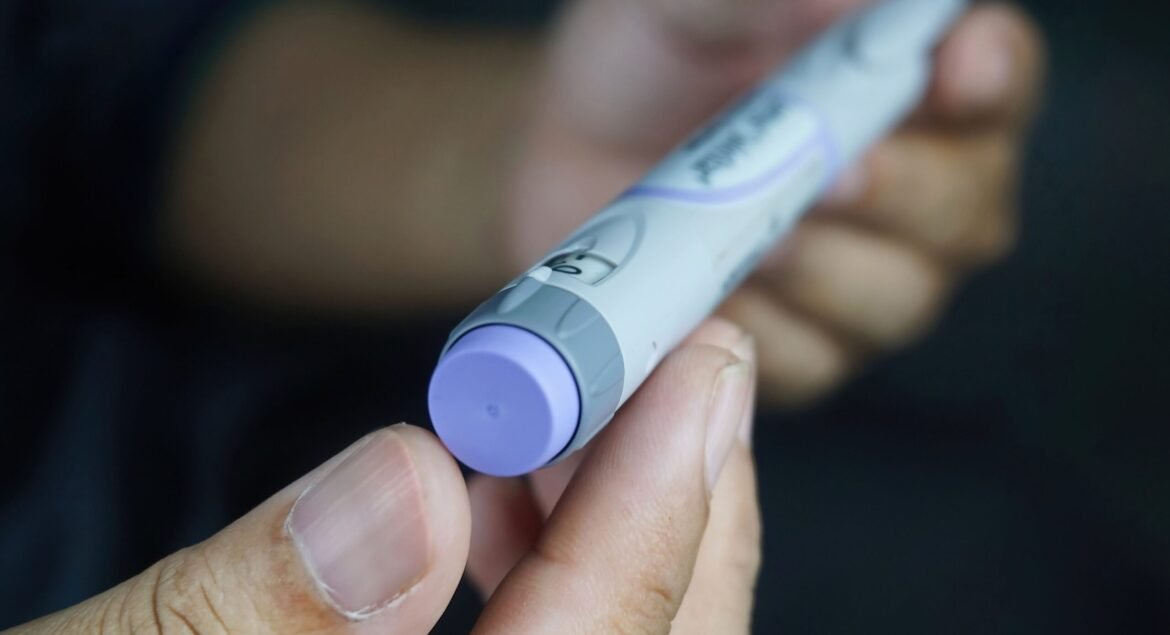
In an era where semaglutide has transformed medical weight management, recent fitness and wellness surveys continue to crown exercise as the top-ranked strategy for sustainable results. From the American College of Sports Medicine’s 2025 Worldwide Survey of Fitness Trends to national polls of older adults, physical activity consistently outranks other approaches—not just for shedding pounds, but for building lasting health.
This isn’t surprising. While medications like semaglutide deliver impressive short-term weight loss, exercise delivers benefits that extend far beyond the number on the scale. When combined strategically with semaglutide, exercise amplifies outcomes, preserves muscle, and supports long-term success. For many men, integrating hormonal considerations such as testosterone replacement therapy further optimizes results. This post explores the survey data, the science, and practical ways to combine these powerful tools—while addressing how testosterone replacement therapy fits into a comprehensive plan.
What Surveys Reveal: Exercise Tops Weight Management Strategies
Exercise has ranked among the highest fitness trends for years, but its prominence in weight management has surged. The ACSM’s latest global survey places “Exercise for Weight Loss” at #4 overall and notes its growing importance amid the obesity epidemic. National polls echo this: nearly 89% of adults over 50 who have managed their weight report using physical activity or exercise as a primary tool—far outpacing supplements, apps, or surgery.
Why does exercise rank so highly? Longitudinal data from the National Weight Control Registry and similar studies show that individuals who maintain significant weight loss for years rely heavily on consistent movement—often 200–300 minutes per week of moderate activity. Surveys repeatedly highlight exercise’s dual role: it supports caloric deficit while delivering “beyond-the-scale” wins like improved mood, energy, sleep, and cardiometabolic health.
In contrast, medication-only approaches, while effective initially, show higher regain rates without lifestyle support. Exercise emerges as the sustainable foundation because it addresses root causes—muscle loss, metabolic adaptation, and behavioral patterns—rather than symptoms alone.
The Science: Why Exercise Delivers Superior Long-Term Outcomes
Multiple meta-analyses confirm what surveys suggest. A network meta-analysis of exercise modalities in adults with obesity found combined aerobic and resistance training (concurrent training) most effective for reducing body fat, improving cardiorespiratory fitness, and enhancing overall cardiometabolic health. Another systematic review concluded that strength plus endurance exercise (minimum 175 minutes weekly) paired with a hypocaloric diet is the most efficient regimen for obesity management.
Exercise outperforms isolated weight loss for reducing mortality risk in obese individuals. Fitness and physical activity consistently show greater protective effects than scale-focused weight reduction alone. This explains why exercise ranks highest: it builds resilience, not just a temporary deficit.
Semaglutide: A Breakthrough That Still Needs Exercise
Semaglutide, a GLP-1 receptor agonist, has revolutionized weight management. Clinical trials (STEP program) demonstrate average losses of 15–17% body weight when paired with basic lifestyle counseling—including 150 minutes of weekly activity. Real-world data at 24 months show sustained reductions of ~17 kg alongside improvements in blood pressure, lipids, and glycemic control.
Yet limitations exist. Semaglutide can cause 25–40% of weight loss to come from lean mass if exercise is absent. Post-treatment regain is common without continued habits. Recent 2024–2025 studies confirm that adding structured exercise yields additive or synergistic benefits: greater total weight loss, superior fat-mass reduction, preserved muscle, reduced inflammation, and better weight maintenance after stopping the medication.
The Winning Combination: Exercise + Semaglutide
Combining exercise with semaglutide maximizes results while minimizing drawbacks. Key evidence-based benefits include:
- Enhanced body composition: Concurrent training (aerobic + strength) during semaglutide use preserves or even increases lean mass while accelerating fat loss.
- Improved cardiometabolic health: Greater reductions in waist circumference, blood pressure, cholesterol, and inflammatory markers.
- Sustained results: Exercise-trained individuals regain less weight after discontinuing semaglutide.
- Functional gains: Better cardiorespiratory fitness, strength, balance, and daily energy.
Practical protocol: Aim for 150–300 minutes of moderate aerobic activity weekly plus 2–3 strength sessions. Focus on progressive resistance training to counteract any muscle-loss risk. Many patients see 18%+ body-weight reduction with this approach versus 15% with medication alone.
Hormonal Optimization: The Role of Testosterone Replacement Therapy
Low testosterone frequently accompanies obesity and can sabotage weight-loss efforts by reducing muscle mass, lowering metabolism, and increasing fatigue. Testosterone replacement therapy addresses this root issue in clinically deficient men, promoting lean-mass gains, fat reduction (especially visceral), and improved energy for consistent exercise.
Studies show testosterone replacement therapy combined with exercise produces superior improvements in body composition and symptoms compared with either alone. For men using semaglutide, testosterone replacement therapy may further protect muscle during rapid weight loss. In the UK, those exploring options to buy testosterone uk should only do so through licensed medical providers after proper bloodwork and diagnosis. Responsible use of testosterone replacement therapy under supervision, paired with exercise and semaglutide when appropriate, creates a powerful triad for sustainable weight management.
Always consult an endocrinologist or men’s health specialist before considering testosterone replacement therapy or searching ways to buy testosterone uk. Self-administration carries risks; legitimate medical pathways ensure safety and efficacy.
Practical Guide: Implementing the Combination Safely
- Medical clearance first: Discuss semaglutide, exercise plans, and any testosterone replacement therapy needs with your doctor.
- Exercise blueprint: 150+ minutes moderate cardio + 2–3 full-body resistance sessions weekly. Prioritize compound lifts (squats, deadlifts, presses).
- Nutrition synergy: Higher protein intake (1.6–2.2 g/kg body weight) supports muscle during semaglutide and testosterone replacement therapy.
- Monitoring: Track body composition (not just scale weight), energy, and labs regularly.
- Progression: Gradually increase intensity as fitness improves—exercise becomes easier and more rewarding on semaglutide.
Conclusion: A Holistic, Evidence-Based Approach
Exercise ranks highest in weight management surveys because it delivers proven, sustainable, multi-dimensional benefits that no medication can fully replicate. When paired with semaglutide, the results are amplified. For eligible men, testosterone replacement therapy adds another layer of optimization.
The most successful individuals treat weight management as a lifestyle, not a quick fix. Whether you’re starting semaglutide, exploring testosterone replacement therapy, or simply recommitting to movement, the evidence is clear: movement remains king. Consult qualified healthcare professionals to personalize your plan—your future self (and your health metrics) will thank you.