
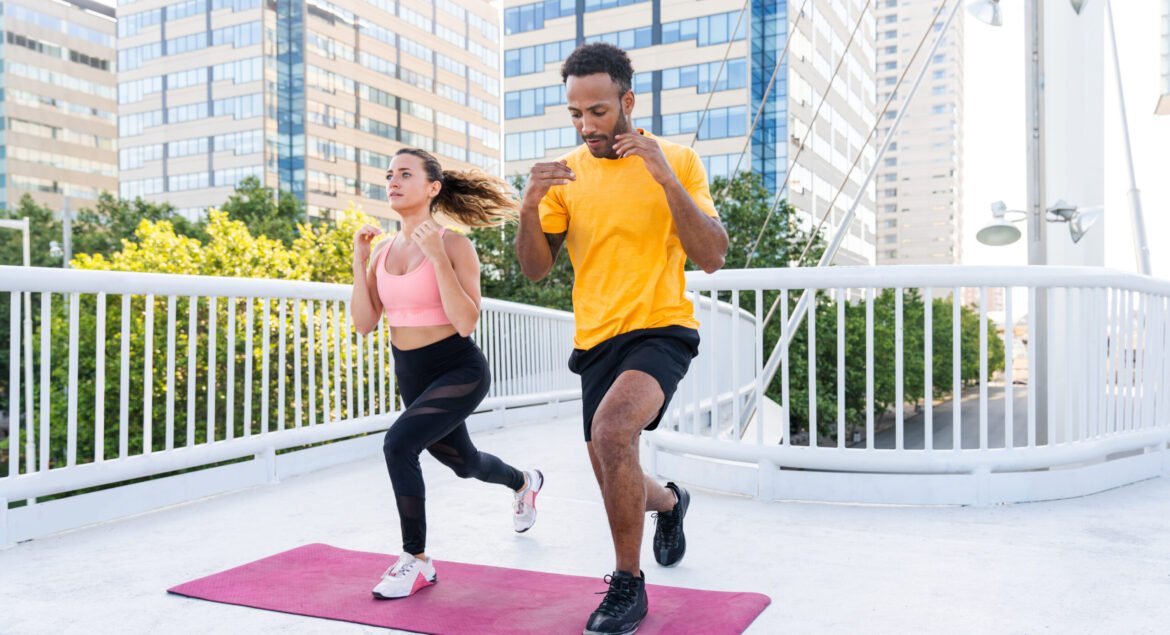
In an era dominated by GLP-1 receptor agonists such as semaglutide and tirzepatide, millions have achieved remarkable short-term weight loss—often 15–20% of body weight or more. These medications have transformed obesity management, offering a powerful tool for appetite control and metabolic improvement. Yet, as clinical evidence accumulates through 2025–2026, one strategy consistently outperforms others for long-term success: structured exercise. Far from being obsolete, exercise remains the highest-ranked approach for sustainable weight management, preserving muscle mass, enhancing metabolic health, and minimising regain when GLP-1 therapy ends.
This post explores why exercise delivers superior durability in the GLP-1 era, backed by the latest randomised trials and real-world data. We’ll also examine its unique synergy with hormonal health—particularly testosterone—because optimal body composition depends on more than calories alone.
Understanding GLP-1 Agonists and Their Impact
GLP-1 medications mimic gut hormones to reduce hunger, slow gastric emptying, and improve blood glucose control. Randomised trials confirm impressive results: average weight loss of 10–20% over 1–2 years, alongside benefits for cardiovascular risk factors and type 2 diabetes remission.
However, these drugs are not a standalone cure. Discontinuation frequently triggers rapid weight regain. Systematic reviews show patients regain approximately 0.4 kg per month on average after stopping, with many returning close to baseline weight within 1.5–1.7 years. Cardiometabolic improvements also fade.
Compounding the issue is muscle loss. Up to 20–40% of weight shed on GLP-1 therapy can come from lean mass, potentially lowering resting metabolism and increasing frailty risk over time.
The Challenge of Weight Regain with GLP-1 Therapy Alone
Post-treatment data paint a clear picture. In the landmark S-LiTE trial (published in eClinicalMedicine), participants who received liraglutide alone regained significantly more weight in the year after stopping therapy compared with those who combined the drug with supervised exercise. One year post-treatment, the exercise-plus-GLP-1 group maintained greater reductions in body weight and body-fat percentage.
Similar patterns appear across semaglutide and tirzepatide studies: lifestyle intervention alone cannot fully offset the rebound driven by renewed appetite signalling once the medication is withdrawn.
Why Exercise Remains Superior for Sustainable Results
Exercise excels because it addresses the root physiological drivers of regain. Randomised trials demonstrate that adding structured physical activity to GLP-1 therapy produces additive benefits in fat loss, inflammation reduction, and cardiorespiratory fitness—outcomes drugs alone rarely match.
Crucially, exercise preserves lean mass. Resistance training signals the body to maintain muscle even during caloric deficit, countering the sarcopenic effects sometimes seen with GLP-1 use. Long-term follow-up shows participants who exercised during treatment sustained superior weight maintenance and body composition one year after all interventions ceased.
Exercise also delivers broader health gains: improved insulin sensitivity, bone density, mental wellbeing, and sleep quality—factors that support lifelong adherence far beyond any prescription.
Exercise and Hormonal Optimisation: The Testosterone Connection
Obesity and low testosterone frequently coexist in a vicious cycle. Excess fat tissue increases aromatase activity, converting testosterone to oestrogen and further promoting fat storage. The result? Reduced energy, diminished muscle mass, and stalled weight-loss progress.
Regular exercise—particularly resistance training and high-intensity intervals—directly counters this. Workouts involving large muscle groups (squats, deadlifts, presses) trigger acute and sustained rises in testosterone, while progressive weight loss through exercise can boost levels by 50–100 ng/dL per 10 kg lost.
For men with clinically confirmed hypogonadism, testosterone replacement therapy can complement lifestyle efforts by increasing lean mass and reducing fat mass. When combined with exercise, testosterone replacement therapy enhances body-composition outcomes more effectively than medication alone.
In the UK, men exploring medical support alongside exercise may consider legitimate prescribed options. Reputable clinics allow patients to buy testosterone uk under strict medical supervision, ensuring safety and monitoring. Those evaluating testosterone replacement therapy should always consult an endocrinologist or specialist first. Similarly, before deciding to buy testosterone uk, thorough bloodwork and ongoing oversight remain essential to avoid risks such as elevated haematocrit or prostate concerns.
Exercise, however, offers a first-line, side-effect-free route to hormonal balance for most individuals.
Practical Exercise Recommendations in the GLP-1 Era
To maximise sustainability, follow evidence-based protocols:
- Resistance training 2–4 sessions per week targeting all major muscle groups with progressive overload.
- Aerobic exercise 150–300 minutes of moderate-intensity (or 75–150 minutes vigorous) weekly to support fat oxidation and cardiovascular health.
- Combine both—studies show hybrid programmes yield the best preservation of muscle and fitness during and after GLP-1 use.
- Protein intake of 1.6–2.2 g/kg body weight daily to support muscle repair.
- Monitor progress with body-composition scans rather than scale weight alone.
Even modest activity (e.g., walking plus two strength sessions) significantly improves outcomes versus pharmacotherapy in isolation.
Building a Holistic, Lifelong Strategy
Sustainable weight management integrates exercise with nutrition, sleep, stress management, and—when clinically indicated—GLP-1 support. The goal is not temporary loss but a resilient metabolism that persists long after any medication ends.
Exercise stands alone as the intervention proven to maintain results one year post-treatment, while improving every marker of healthy ageing. It costs nothing extra once established, carries minimal risk when progressed sensibly, and empowers individuals with lifelong skills.
Conclusion: Prioritise Exercise for Lasting Success
In the GLP-1 era, medications deliver impressive short-term victories. Yet the highest-ranked strategy for sustainable weight management remains exercise—superior for muscle preservation, hormonal health, and long-term weight stability. Whether used alongside GLP-1 therapy or as a standalone foundation, consistent physical training delivers results that endure.
For men addressing low testosterone, combine resistance exercise with professional guidance. Testosterone replacement therapy may play a supportive role when medically appropriate, and UK residents can explore safe avenues to buy testosterone uk through licensed providers. Still, exercise consistently proves the most powerful, accessible lever for transforming body composition and metabolic health.
Start today: consult your doctor, lace up your trainers, and build the sustainable foundation your future self will thank you for. The science is clear—exercise still wins.