
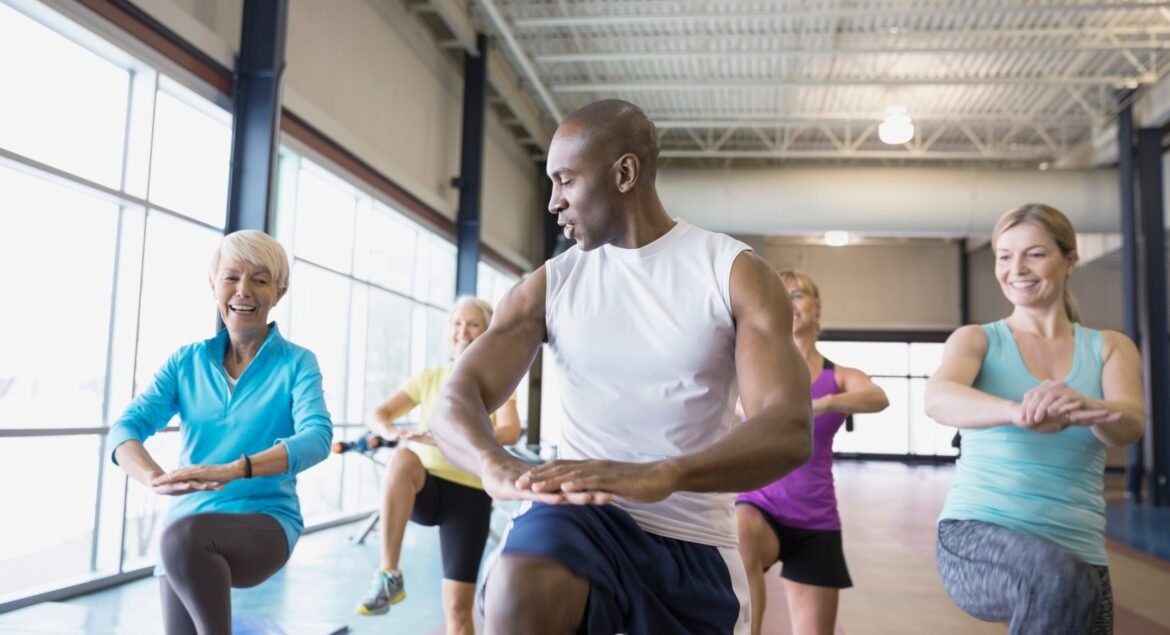
As populations worldwide continue to age, the focus on maintaining independence, strength, and quality of life has never been more critical. Frailty—a condition marked by reduced physiological reserve, increased vulnerability to stressors, and declining mobility—affects millions of older adults, leading to higher risks of falls, hospitalization, and loss of autonomy. Yet a transformative shift is underway. Targeted fitness programs designed specifically for active aging are helping seniors move from frailty to freedom, emphasizing functional strength, balance, and mobility. These evidence-based interventions are gaining traction in 2026 fitness trends, with active aging programs ranking among the top priorities according to leading industry reports.
For many, particularly men experiencing age-related hormonal changes, complementary approaches such as testosterone replacement therapy are being explored alongside exercise. When medically supervised, testosterone replacement therapy can support muscle maintenance and physical function. In the UK, those seeking options may look into how to buy testosterone uk through licensed private clinics following proper evaluation. This holistic integration of fitness and hormonal health is empowering older adults to reclaim mobility and vitality.
Understanding Frailty and Its Impact on Mobility
Frailty is not an inevitable part of aging but a preventable and manageable syndrome. It typically involves unintentional weight loss, exhaustion, weakness, slow walking speed, and low physical activity. Prevalence rises sharply with age, contributing to mobility limitations that affect daily tasks like climbing stairs, walking unaided, or carrying groceries.
Recent data highlight the growing challenge: frailty rates have increased in many populations, with mobility impairments becoming more common among those over 65. Inactivity exacerbates the cycle, leading to sarcopenia (age-related muscle loss) and reduced bone density. The good news? Targeted interventions can interrupt this decline. Multicomponent exercise programs have been shown to improve strength by up to 40% and reduce fall risk significantly, according to health authorities.
The Rise of Targeted Fitness Programs for Active Aging
In 2026, fitness programs for older adults are a standout trend, moving beyond generic senior classes to personalized, functional training that mimics real-life movements. Leading organizations like the American College of Sports Medicine (ACSM) rank “fitness programs for older adults” as a top priority, driven by demand for programs that enhance independence rather than just general wellness.
Popular examples include:
- EnhanceFitness and similar community programs: These evidence-based classes combine strength training, aerobic activity, and balance exercises, delivered in group or virtual formats. They improve mobility, reduce falls, and boost confidence.
- Functional strength and balance training: Exercises using body weight, resistance bands, or light weights focus on daily movements—squats for sitting/standing, heel-to-toe walks for stability.
- Low-impact options like Tai Chi, yoga, and water aerobics: These enhance flexibility, coordination, and joint health while minimizing injury risk. Wearable technology now personalizes intensity by monitoring heart rate and movement.
- Hybrid and home-based programs: Virtual platforms and app-guided sessions make participation accessible, especially for those with mobility challenges or limited transportation.
Studies consistently demonstrate that 2–3 sessions per week of progressive resistance training, combined with balance work, can reverse aspects of frailty. Participants report better gait speed, stair-climbing ability, and overall independence. These programs align with CDC guidelines recommending aerobic activity, muscle strengthening, and balance exercises for adults 65 and older.
The Hormonal Connection: Supporting Fitness with Testosterone Replacement Therapy
Age-related testosterone decline plays a significant role in frailty for many men. After age 30, levels drop approximately 1% per year, contributing to reduced muscle mass, lower energy, and impaired physical performance. Low testosterone is linked to sarcopenia, decreased bone density, and mobility limitations.
Testosterone replacement therapy addresses this by restoring levels to the mid-normal range under medical supervision. Landmark research, including the Testosterone Trials (TTrials) and subsequent analyses, shows that testosterone replacement therapy modestly improves self-reported walking ability, lean body mass, and measures of strength in older men with low testosterone and mobility issues. When combined with resistance training, benefits are amplified: greater gains in leg power, stair-climbing performance, and reduced fatigue have been observed in frail older men.
In the UK, access to testosterone replacement therapy is available through private clinics following blood tests and clinical assessment. Individuals exploring treatment may consider reputable options to buy testosterone uk legally via licensed providers, ensuring ongoing monitoring for safety and efficacy. It is essential to note that testosterone replacement therapy is not a standalone solution but works best alongside structured fitness programs. Always consult a qualified healthcare professional to determine suitability, as individual responses vary and regular follow-up is required.
Integrating Fitness and Hormonal Support for Optimal Mobility
The synergy between targeted exercise and testosterone replacement therapy (where clinically indicated) offers a powerful pathway for active aging. Resistance training enhances the anabolic effects of restored testosterone levels, promoting muscle protein synthesis and functional gains. Programs incorporating progressive overload—starting with chair-based exercises and advancing to free weights—maximize results while prioritizing safety.
Practical tips for getting started:
- Consult your GP or specialist for a comprehensive assessment, including hormone levels if symptoms of low testosterone are present.
- Begin with supervised classes or physical therapy to build proper form.
- Incorporate daily movement: aim for 150 minutes of moderate activity weekly, plus two strength sessions.
- Track progress with simple metrics like timed walks or chair-stand tests.
- Stay consistent—benefits compound over months, with many programs showing sustained improvements up to 18 months post-intervention.
Embracing Freedom Through Active Aging
The rise of targeted fitness programs signals a new era where frailty is not destiny. From community Tai Chi sessions to tech-enhanced strength training, older adults are achieving greater mobility, confidence, and independence. For those with hormonal factors at play, testosterone replacement therapy can provide additional support when integrated thoughtfully.
In the UK, exploring how to buy testosterone uk through established medical channels is one step for eligible individuals, always paired with professional guidance and lifestyle changes. The journey from frailty to freedom is personal, evidence-driven, and increasingly accessible.
By prioritizing movement, strength, and informed health decisions, today’s seniors are redefining what aging looks like—active, engaged, and free. If you or a loved one are considering these options, start with a conversation with a healthcare provider to create a tailored plan suited to your needs.
Sources and Further Reading
- ACSM Top Fitness Trends 2026 (active aging programs).
- Testosterone Trials and related studies on physical function (NEJM, Lancet Diabetes & Endocrinology).
- CDC Physical Activity Guidelines for Older Adults.
- UK private clinic information on testosterone replacement therapy (general medical resources; consult GMC-registered providers).
Always seek personalized medical advice before starting any new fitness regimen or treatment. This post is for informational purposes only and does not constitute medical advice.