
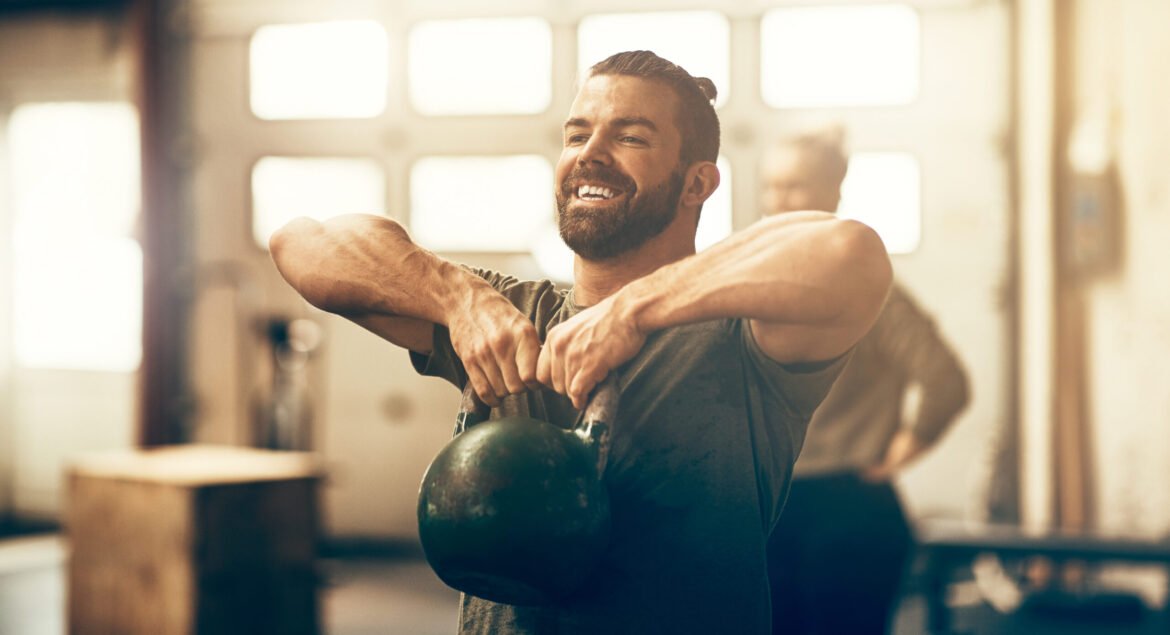
The global population is aging faster than ever. By 2030, one in six people worldwide will be aged 60 or older, according to the World Health Organization. In the UK and beyond, this demographic shift is driving what experts call the “silver fitness boom”—a surge in demand for targeted exercise programs that help older adults maintain strength, improve balance, and preserve independence. Far from chasing aesthetics alone, today’s seniors are prioritising functional fitness to stay active, reduce fall risk, and enjoy a higher quality of life well into their later years.
This trend is backed by major fitness reports. The American College of Sports Medicine’s 2026 trends list “fitness programs for older adults” as a top global priority, second only to wearable technology. Strength training has overtaken weight loss as the number-one health goal for many, with surveys showing 42% of respondents aiming to get physically stronger in 2026. The silver fitness boom is not a fad—it is a necessary response to the realities of aging, including natural muscle loss (sarcopenia), reduced bone density, and declining hormone levels.
Why Strength Training Matters More Than Ever for Seniors
Sarcopenia, the progressive loss of muscle mass and strength, begins as early as age 35 and accelerates after 60. Without intervention, it leads to frailty, reduced mobility, and greater dependence on others. Regular strength training counters this by preserving lean muscle, boosting metabolism, and supporting bone health—key factors in preventing osteoporosis and fractures.
Evidence shows that resistance exercises performed two to three times per week can increase muscle strength by 20–40% in older adults, even those in their 80s. Programs focusing on major muscle groups (legs, hips, back, chest, shoulders, and arms) using bodyweight, resistance bands, or light weights deliver measurable gains in daily function, such as easier stair climbing and better posture.
Strength training also plays a vital role in metabolic health. It helps regulate blood sugar, supports weight management, and reduces the risk of chronic conditions like type 2 diabetes—outcomes particularly relevant as the baby-boomer generation enters retirement.
Mastering Balance: The Key to Fall Prevention and Lasting Independence
Falls remain a leading cause of injury and hospitalisation among older adults. In the UK alone, falls affect millions annually, often resulting in hip fractures or loss of confidence that further limits activity. The good news? Targeted balance exercises significantly reduce this risk.
Studies demonstrate that multimodal programs combining strength and balance training can cut fall incidence by 20–58%, depending on the approach (e.g., Tai Chi, Otago Exercise Programme, or perturbation-based training). Simple movements—such as single-leg stands, heel-to-toe walks, or seated marches—improve proprioception, coordination, and reactive stability.
Practical balance exercises to incorporate weekly include:
- Sit-to-stand repetitions (builds leg strength and coordination).
- Heel-to-toe walking (enhances dynamic balance).
- Tai Chi or yoga flows (improve mindfulness and stability).
- Perturbation drills (practising recovery from small pushes or uneven surfaces).
These low-impact activities not only prevent falls but also foster confidence, encouraging seniors to remain socially and physically active.
Nutrition, Recovery, and Lifestyle Support for Active Aging
Exercise is most effective when paired with proper nutrition and recovery. Older adults should aim for 1.2–1.6 grams of protein per kilogram of body weight daily to support muscle repair—sources include lean meats, dairy, eggs, legumes, and supplements if needed. Adequate vitamin D and calcium intake further protect bone density.
Sleep, hydration, and stress management are equally important. Chronic inflammation and poor recovery can undermine training gains, so incorporating rest days and mobility work is essential.
Hormonal Health: The Role of Testosterone Replacement Therapy in Senior Fitness
Testosterone levels naturally decline by about 1% per year after age 30–40, contributing to sarcopenia, reduced energy, and slower recovery from exercise. For men experiencing clinically low levels alongside symptoms such as fatigue, muscle loss, or diminished vitality, testosterone replacement therapy can be a valuable adjunct to lifestyle interventions. Recent randomised controlled trials, including the T Trials and T4DM study, show that testosterone replacement therapy improves lean body mass, muscle strength, bone mineral density, and even helps prevent type 2 diabetes in at-risk older men when properly supervised.
In the UK, access to treatment requires medical evaluation. Many individuals with a valid prescription choose to buy testosterone uk through licensed private clinics or pharmacies for convenience and faster service. When clinically appropriate, testosterone replacement therapy combined with strength training offers synergistic benefits for maintaining independence. Those interested in exploring options to buy testosterone uk should consult a qualified healthcare professional to ensure safe, monitored use aligned with current guidelines.
Testosterone replacement therapy is not a standalone solution or “anti-ageing miracle,” but one evidence-based tool within a comprehensive fitness strategy. Always prioritise blood testing, ongoing monitoring, and integration with exercise rather than relying on hormones alone.
Getting Started: Safe, Sustainable Steps for the Silver Fitness Boom
- Consult your GP or a specialist before beginning any new programme, especially if considering testosterone replacement therapy.
- Start slow with 2–3 sessions per week of 30–45 minutes.
- Combine modalities: strength, balance, and light cardio.
- Track progress using simple metrics like timed walks or repetition counts.
- Join community classes—SilverSneakers-style programmes or local senior fitness groups provide motivation and social connection.
Many gyms and online platforms now offer senior-specific classes tailored to varying fitness levels.
Conclusion: Investing in Independence for the Decades Ahead
The silver fitness boom represents a powerful shift: older adults are reclaiming control over their health through strength, balance, and informed lifestyle choices. By embracing resistance training, balance work, nutrition, and—where medically suitable—testosterone replacement therapy, the aging population can build resilience against sarcopenia, falls, and frailty.
Whether you are already active or just starting, the message is clear: it is never too late to invest in strength and independence. For UK residents exploring hormonal support, responsible avenues to buy testosterone uk exist through regulated channels, always under professional guidance. Prioritise evidence-based approaches, listen to your body, and work with qualified practitioners to design a plan that fits your needs.
The result? More years of vitality, mobility, and joyful independence—the true hallmarks of successful aging.
Sources & Further Reading
- American College of Sports Medicine (ACSM) Worldwide Fitness Trends 2026
- World Health Organization Global Ageing Reports
- Johns Hopkins Medicine & PMC studies on balance/strength training for fall prevention
- Mayo Clinic and recent RCTs (T Trials, T4DM, TRAVERSE) on testosterone replacement therapy safety and efficacy in older men
- UK private clinic guidelines on prescribed TRT (e.g., MANUAL, NHS criteria)
Always seek personalised medical advice before starting new exercise or treatment regimens. This post is for informational purposes and reflects current evidence as of 2026.